Couldn't load pickup availability
Protect your delicate fabrics from scorching, sticking, and unwanted shine with this essential iron shoe pad. This heat-resistant accessory slides over your iron's soleplate to create a protective barrier between high heat and sensitive materials, allowing you to safely iron silk, synthetics, and delicate garments without damage.



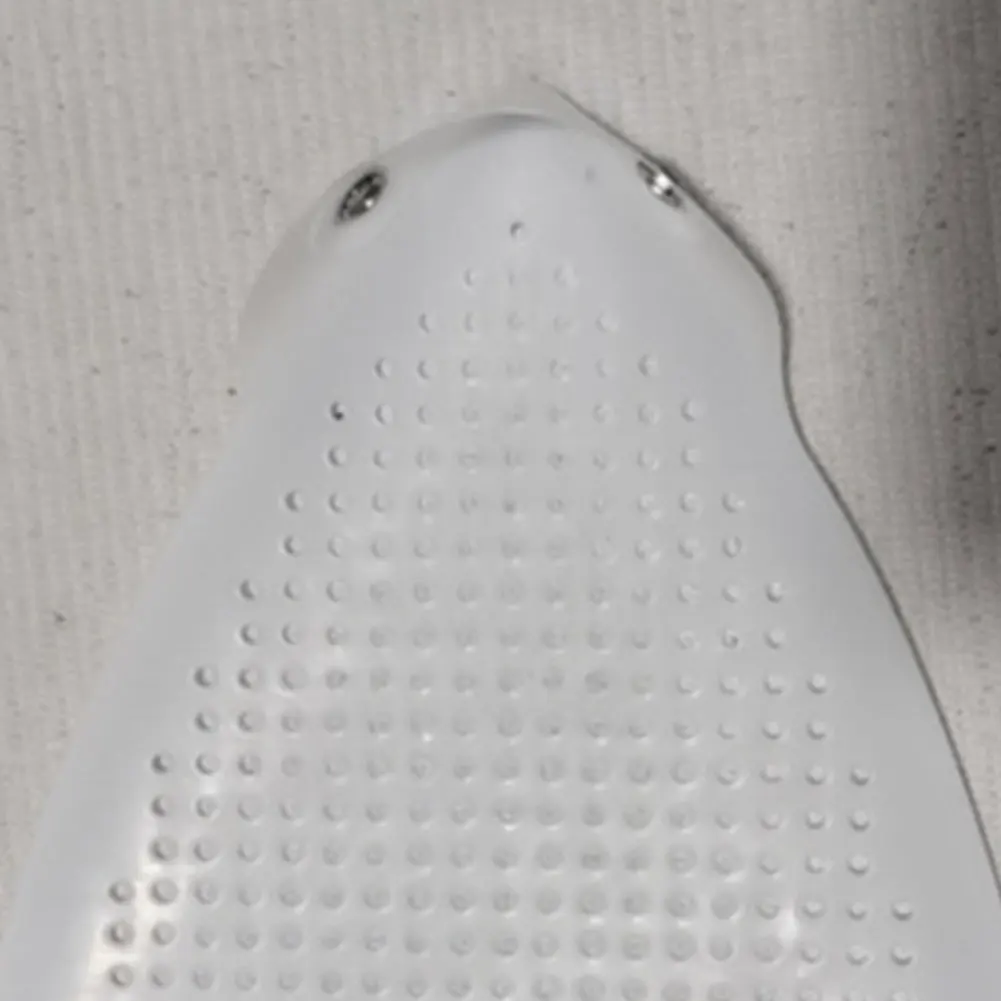
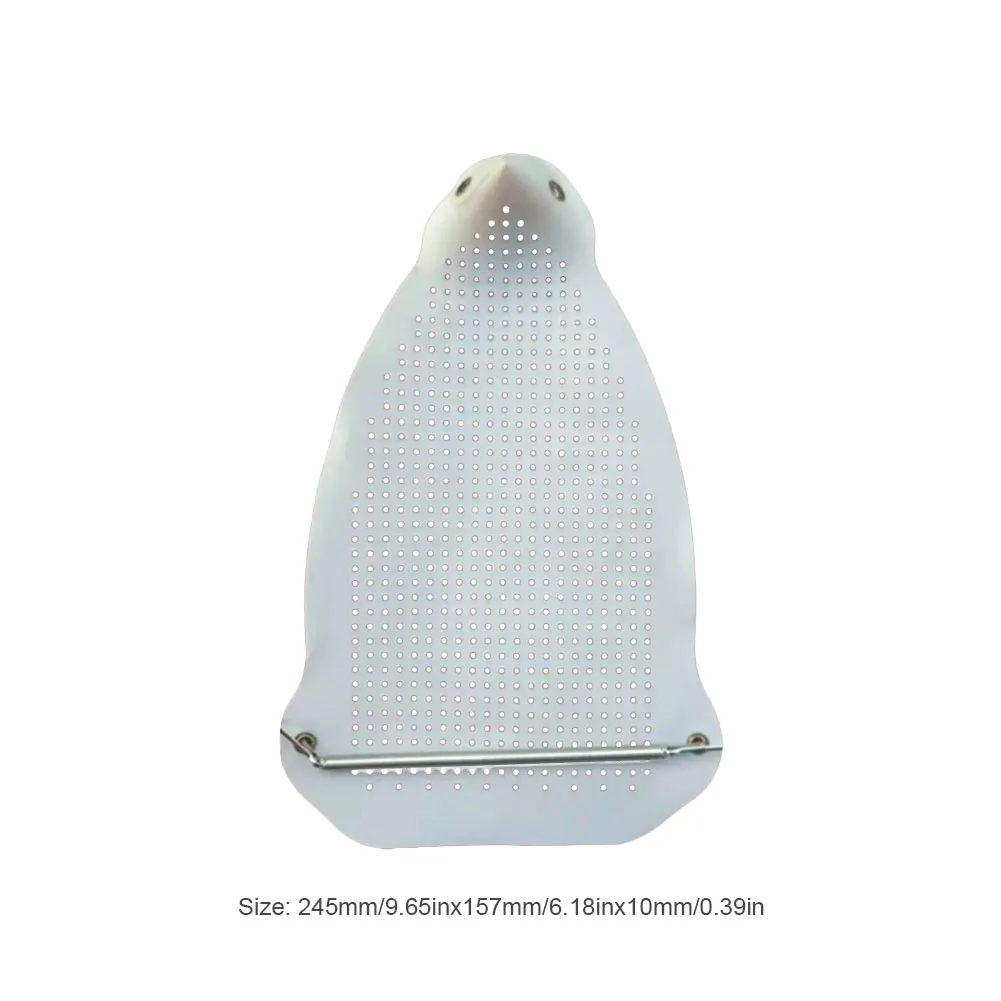
Ironing delicate fabrics like silk, satin, chiffon, and rayon that scorch easily, pressing synthetic materials including polyester and nylon that stick to hot irons, maintaining dark-colored garments without creating shine marks, protecting wool and cashmere from heat damage and flattening, anyone who frequently irons special-occasion clothing and formal wear, extending the life of expensive iron soleplates by preventing scratches and buildup.
The iron shoe pad creates a protective barrier between the hot iron soleplate and delicate fabric, reducing the direct heat transfer that causes scorching and burning. This allows you to use higher heat settings needed for wrinkle removal while protecting sensitive materials like silk, rayon, and synthetics from damage.
The universal design stretches to fit most standard household iron soleplates regardless of brand or model. The flexible plastic material accommodates various soleplate shapes and sizes. Check that your iron has a standard-sized soleplate rather than an oversized or specialty shape for best fit.
Yes, iron shoe pads work with both steam and dry irons. However, the pad may reduce steam penetration slightly since it creates a barrier over the steam holes. For best results with steam irons, use moderate steam settings and allow the heat to work through the protective layer.
The iron shoe pad prevents shine by reducing direct heat contact that flattens fabric fibers and creates a glossy appearance on dark colors and wool. For best results, iron dark garments inside-out with the shoe pad in place, or use a pressing cloth in addition to the shoe pad for extra protection.
Yes, the protective barrier significantly reduces the risk of melting synthetic fabrics like polyester, nylon, and acrylic by lowering the direct heat exposure. However, always use appropriate temperature settings for synthetic materials and test on an inconspicuous area first, as extremely high heat can still cause damage even with protection.
Allow your iron to cool completely before installation. Stretch the shoe pad over the front tip of the soleplate, then pull it back over the entire surface, ensuring it fits snugly without wrinkles or gaps. The elastic or flexible design should hold it securely in place during use. Remove and clean after each use.
Wipe the shoe pad with a damp cloth after each use to remove any residue, starch, or fabric fibers. For stubborn buildup, use mild soap and water, then rinse and dry completely before storing. Regular cleaning maintains the smooth, non-stick surface and extends the life of the protector.
With proper care and regular cleaning, an iron shoe pad can last for many months to years depending on usage frequency. Replace the pad when you notice cracks, tears, melting, or reduced effectiveness in preventing scorching and sticking. Signs of wear include discoloration, loss of flexibility, or difficulty staying in place on the soleplate.