Couldn't load pickup availability
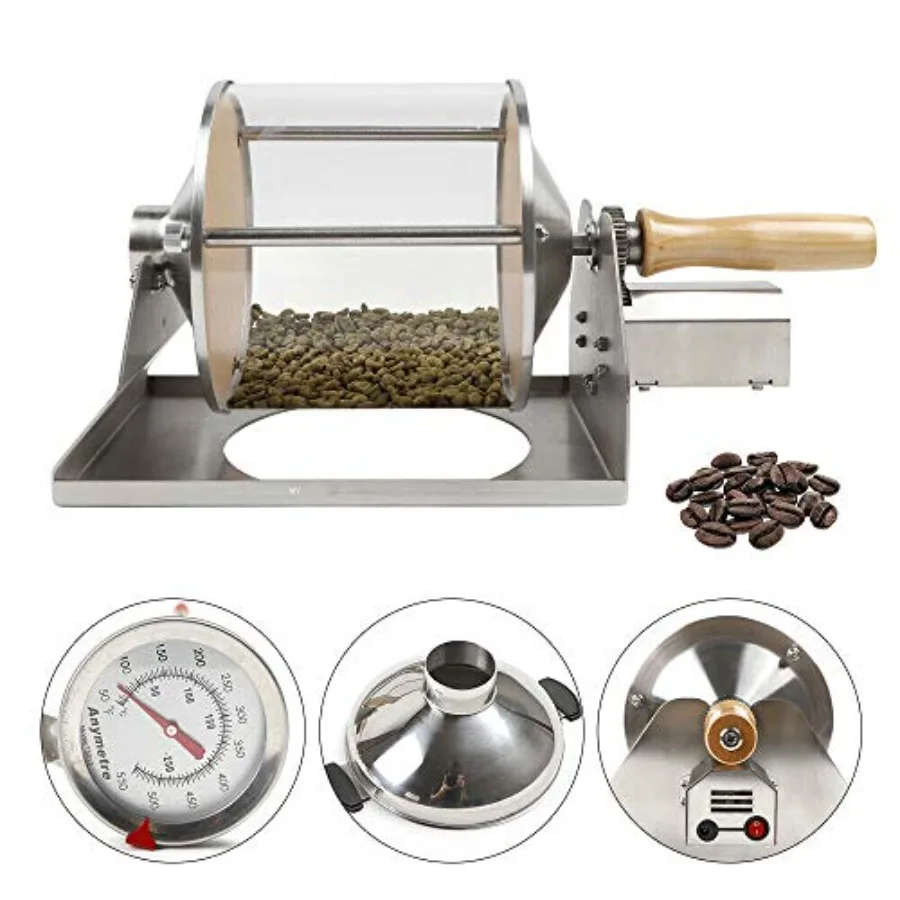
Take control of your coffee experience by roasting your own beans at home with the Kaka G400 gas-powered coffee roaster. This professional-grade 400-gram capacity roaster gives you complete control over roast profiles, allowing you to unlock the full flavor potential of specialty green beans and create custom roasts impossible to find in stores.
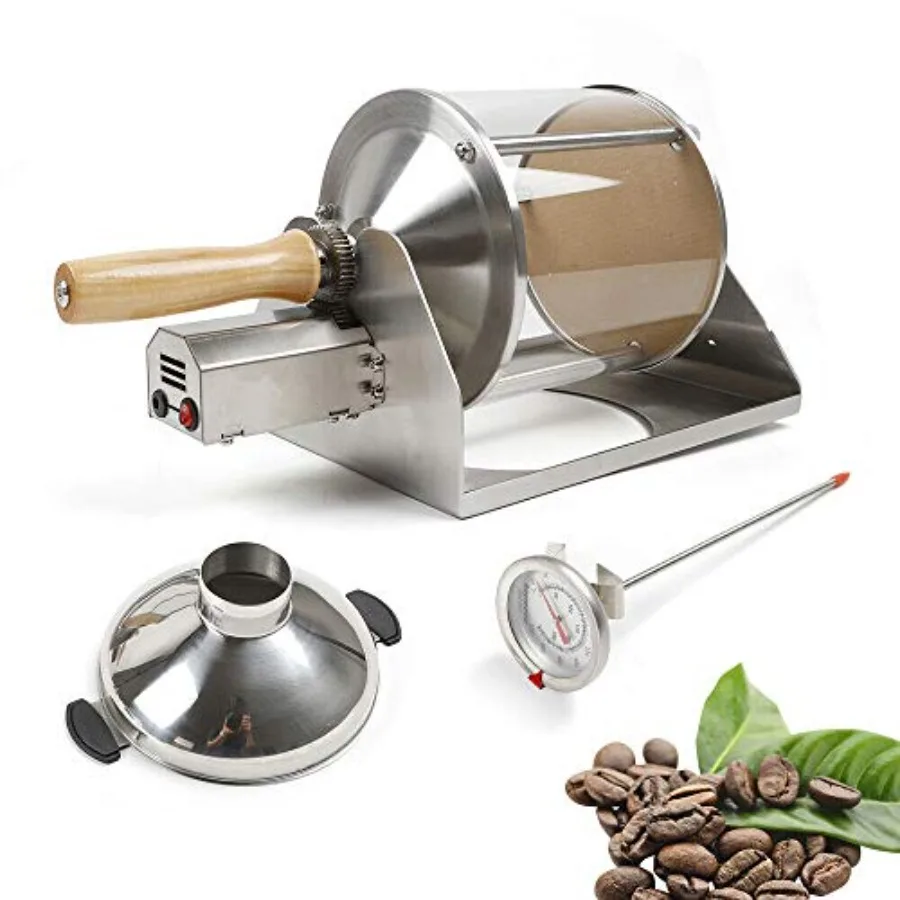
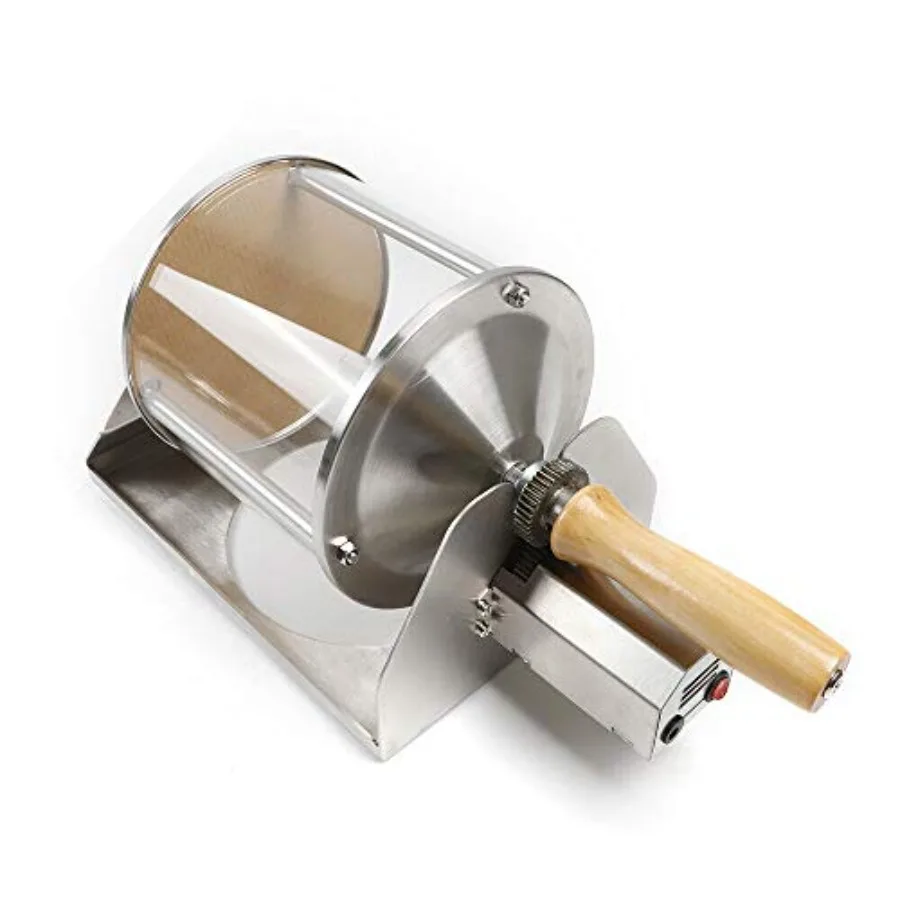
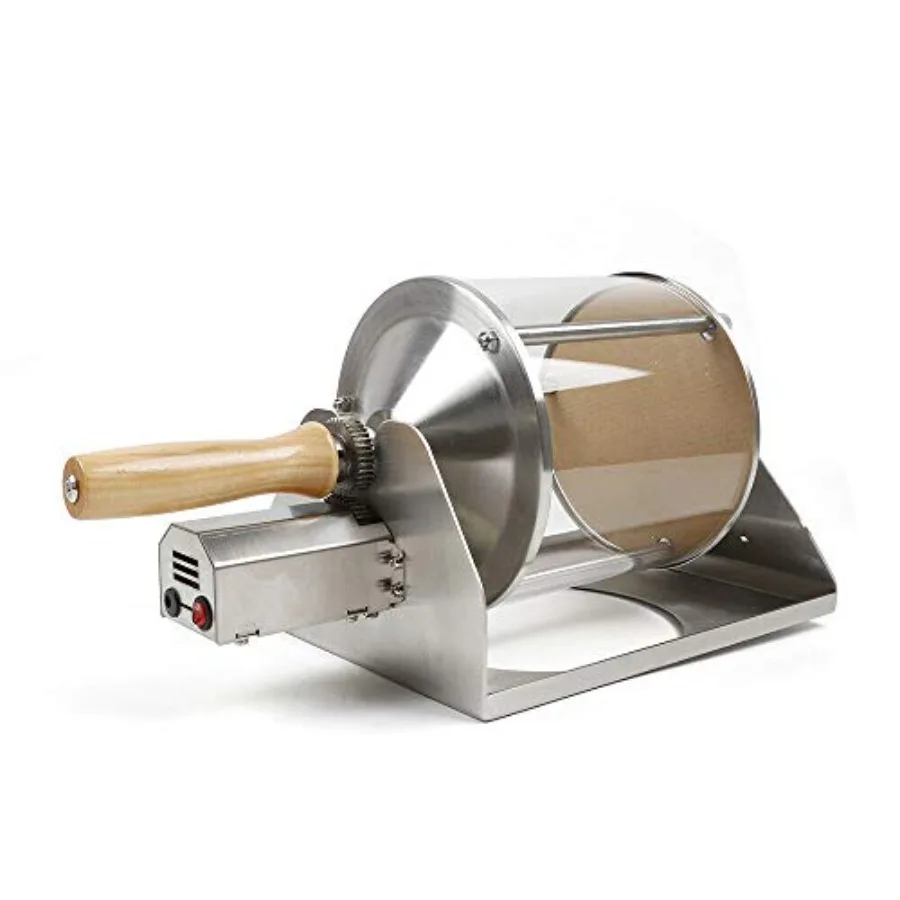
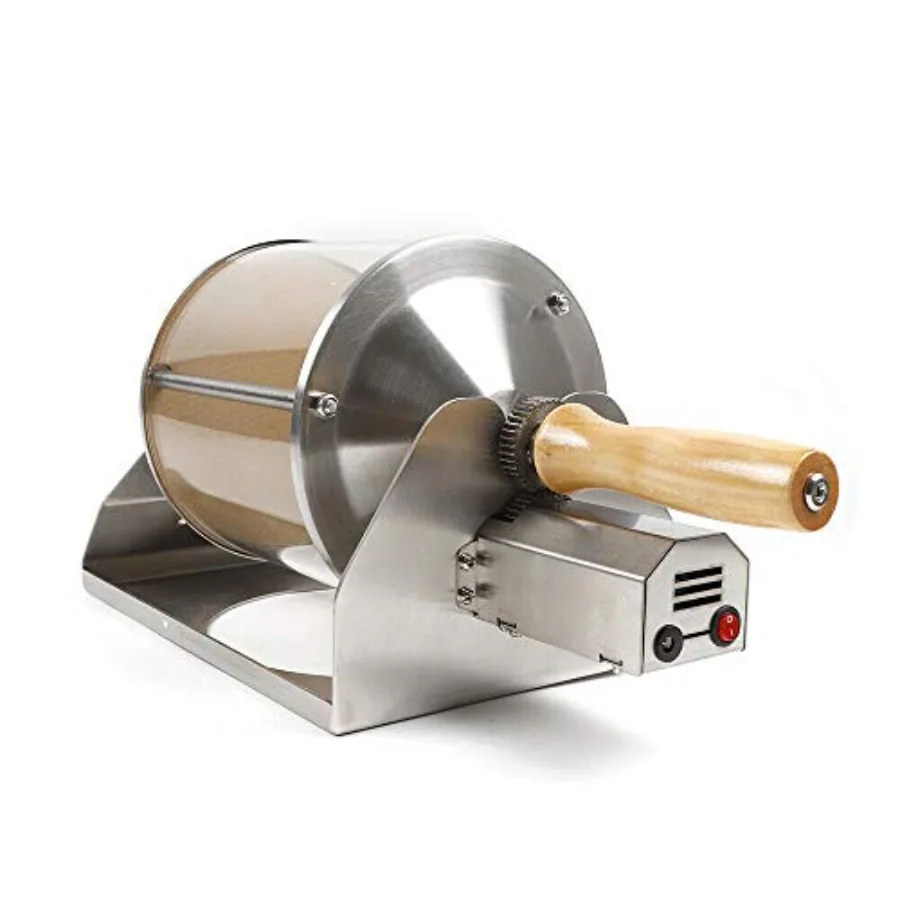
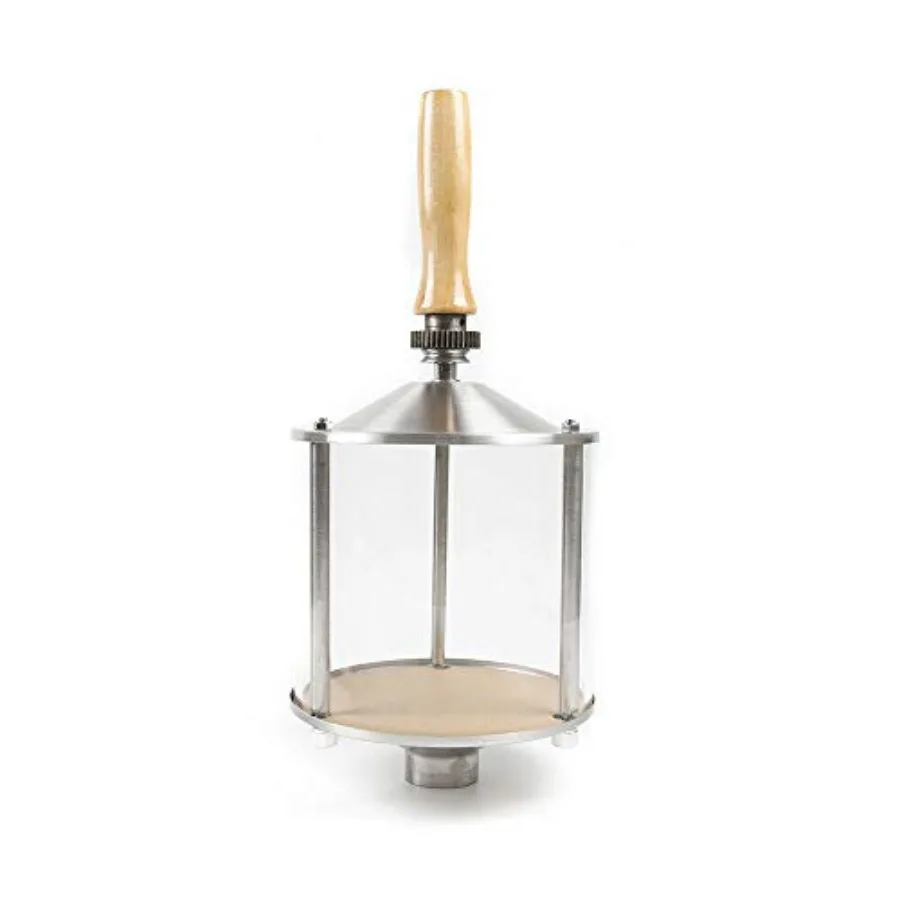
Coffee enthusiasts who want ultimate freshness and control, home roasters upgrading from popcorn poppers or air roasters, specialty coffee lovers seeking rare single-origin beans, anyone tired of stale store-bought coffee, small coffee shops testing new roast profiles, hobbyists passionate about the roasting craft, gift-giving for serious coffee aficionados.
Roast a weekly batch of Ethiopian Yirgacheffe to your preferred light city roast level. Experiment with different roast profiles on the same bean to discover flavor variations. Create custom espresso blends by roasting different origins separately then combining. Roast small batches of rare micro-lot beans that commercial roasters don't offer. Monitor first and second crack to achieve precise roast development. Adjust heat and drum speed in real-time to compensate for ambient temperature. Cool beans quickly after roasting to lock in your desired flavor profile. Share freshly roasted beans with friends who appreciate craft coffee.
Roast times typically range from 12 to 20 minutes depending on your desired roast level and bean density. Light roasts finish around 12-14 minutes, medium roasts at 14-16 minutes, and dark roasts at 18-20 minutes. The key is listening for first and second crack and monitoring bean temperature rather than relying solely on time.
Yes, coffee roasting produces smoke and chaff, so adequate ventilation is essential. Roast outdoors, in a well-ventilated garage, or near a powerful range hood. Never roast in an enclosed space without ventilation. The gas-powered design makes outdoor roasting practical and safe with proper precautions.
Green coffee beans are available from specialty online retailers, home roasting suppliers, and some local coffee roasters who sell to home enthusiasts. Look for reputable sources that provide origin information, processing details, and crop year. Green beans stay fresh for months when stored properly, unlike roasted coffee.
Listen for audible cracks and monitor bean temperature. First crack occurs around 385-400°F and signals light to medium roasts. Second crack at 435-450°F indicates medium-dark to dark roasts. Visual cues include color change from green to yellow to brown, and oil emergence on bean surfaces for darker roasts. Experience teaches you to recognize your preferred roast level.
While the roaster has a 400-gram capacity, you can roast smaller batches, though heat distribution may be less even with very small amounts. Most home roasters find 250-400 grams to be the sweet spot for consistent results. Smaller batches allow you to experiment with different beans without committing to large quantities.
Freshly roasted beans need to degas for 12-48 hours before brewing for optimal flavor. Espresso benefits from 3-7 days of rest, while drip coffee is excellent after 24 hours. Beans peak in flavor 3-14 days after roasting, then gradually decline. This is still far superior to store-bought coffee roasted weeks or months ago.
Gas roasting offers more precise temperature control and faster heat adjustments compared to many electric roasters. The direct flame provides intense, even heat that professional roasters prefer. Gas roasters also work during power outages and are often more portable for outdoor roasting. However, they require proper ventilation and gas supply.
Empty the chaff collector after each roast and brush out accumulated chaff from the drum and cooling tray. Periodically remove and clean the drum with warm soapy water, ensuring it's completely dry before reassembling. Check gas connections regularly for leaks and keep the burner clean for optimal performance. Proper maintenance ensures consistent roasts and extends roaster life.